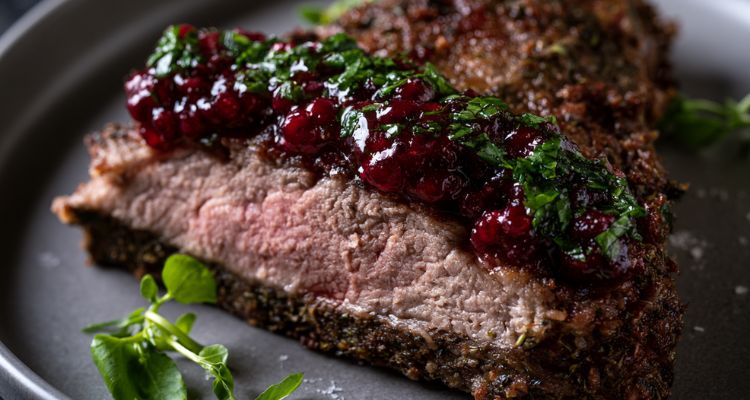
Delia Smith’s baked lamb with rosemary is a leg of lamb wrapped in foil and baked at 190°C (Gas 5) for 2 hours. It’s uncovered for 30 minutes to brown. It serves 6 with a cold redcurrant and mint sauce and white wine gravy.
The recipe comes from Delia’s Summer Collection (1993), where she explains that lamb is at its best in mid-summer. She says the foil-baking “ensures that it stays juicy,” and the result should be “very slightly pink.”
The garlic and rosemary paste rubbed into the scored flesh before wrapping is what sets this apart. Delia crushes garlic with sea salt in a pestle and mortar to form a purée. That paste carries the flavour deep into the meat through the skewer holes.
Delia Smith Baked Lamb With Rosemary
Course: DinnerCuisine: BritishDifficulty: Easy6
servings15
minutes2
hours30
minutes520
kcal2
hours45
minutesA foil-baked leg of lamb rubbed with a garlic and rosemary paste, served with a cold mint sauce made with redcurrant jelly and red wine vinegar. From Delia’s Summer Collection, ideal for a summer Sunday lunch.
Ingredients
- For the lamb:
1 x 1.8 to 2 kg (4 to 4½ lb) leg of lamb
2 level tablespoons chopped fresh rosemary leaves, plus 1 sprig of rosemary
1 clove garlic
1 tablespoon extra virgin olive oil
275 ml (10 fl oz) dry white wine
½ level teaspoon sea salt
Freshly milled black pepper
- For the sauce:
3 level tablespoons good-quality redcurrant jelly
4 level tablespoons chopped fresh mint
3 tablespoons red wine vinegar
Salt and freshly milled black pepper
- Equipment
A roasting tin
Directions
- Preheat: Set the oven to 190°C/Gas 5 (375°F).
- Make the paste: Crush the garlic and sea salt together to a purée using a pestle and mortar, then add the oil, chopped rosemary and a good seasoning of pepper and mix well.
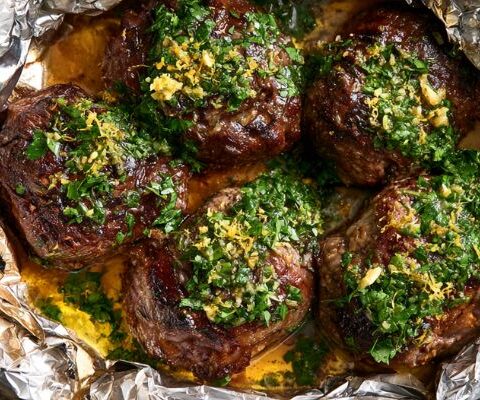
- Prepare the lamb: Spread a large sheet of foil over the roasting tin, place the lamb on it and stab the fleshy parts of the joint several times with a skewer. Spread the rosemary mixture all over the upper surface of the lamb and tuck in a sprig of rosemary.
- Wrap and bake: Bring the edges of the foil up over the lamb, make a pleat in the top and scrunch in the ends. This foil parcel should be fairly loose to allow the air to circulate. Bake the lamb for 2 hours.
- Brown: Open out the foil, baste the joint well with the juices and return it to the oven for a further 30 minutes to brown. The above cooking time should result in lamb very slightly pink. You can cook it for more or less time, as you prefer.
- Make the sauce: Meanwhile, combine the redcurrant jelly and vinegar in a small saucepan and whisk over a gentle heat till the jelly melts into the vinegar. Add the chopped mint and some seasoning and pour into a jug. The sauce does not need to be warm.
- Rest and make gravy: When the lamb is cooked, remove it from the oven and allow it to rest for 20 minutes before carving. Discard the foil, spoon off the fat and make some gravy with the juices left in the tin. Add the white wine, stir and let it bubble until it has become syrupy. Season with salt and pepper if it needs it and pour into a warmed serving jug.
Notes
- Delia says the 2.5-hour cooking time gives lamb that is “very slightly pink.” Adjust up or down to your preference.
- The redcurrant and mint sauce is served cold, not warm.
FAQs
Why does Delia bake the lamb in foil rather than roasting it open?
The foil traps moisture around the joint for the first 2 hours, which stops the surface drying out during the long cook. A standard open roast at 190°C would lose moisture quickly and need basting every 30 minutes to stay tender.
Opening the foil for the final 30 minutes gives you the best of both methods. The meat stays juicy from the sealed cooking, then the exposed surface browns and crisps in the dry oven heat. Delia’s instruction to baste with the collected juices at that point adds another layer of flavour to the crust.
Why does Delia use a pestle and mortar for the garlic?
Crushing garlic with sea salt creates a smooth purée that spreads evenly across the meat. A garlic press leaves chunks that don’t distribute well, and mincing with a knife doesn’t break the cells down enough to release all the oils.
The salt acts as an abrasive, grinding the garlic into a paste rather than just squashing it. That paste then mixes properly with the oil and rosemary to form a coating that sticks to the lamb. The skewer holes Delia makes let this mixture penetrate into the flesh rather than sitting only on the surface.
What makes this redcurrant sauce different from regular mint sauce?
Traditional mint sauce is just mint, sugar and vinegar, which gives a sharp, thin dressing. Delia replaces the sugar with redcurrant jelly, which dissolves into the vinegar to create something thicker and glossier. Plain sugar can’t match the fruity sweetness that the jelly brings.
She whisks the jelly and vinegar together over gentle heat until they combine, then stirs in the mint off the heat. The sauce is served cold, which is unusual because most people warm their mint sauce. Cold keeps the mint flavour bright and fresh rather than letting it cook out.
How do I know when the lamb is done to my liking?
Delia says her timing gives lamb that’s “very slightly pink,” which is medium. For a 1.8 to 2 kg leg, that’s 2 hours in foil plus 30 minutes uncovered. Add 15 to 20 minutes to the foil stage for well done, or reduce by 15 for pinker meat.
A meat thermometer is the most reliable check: insert it into the thickest part without touching bone. For medium you want 60 to 65°C. Irish stew with crusted dumplings uses lamb neck, which needs a full 2 hours on the hob because it’s a tougher cut than leg.
Why does Delia rest the lamb for 20 minutes before carving?
Resting lets the muscle fibres relax and reabsorb the juices that get pushed to the centre during cooking. If you carve straight from the oven, those juices run out onto the board and the slices look grey and dry.
Twenty minutes is the right window for a joint this size. The internal temperature continues to rise by a few degrees during resting, which is worth remembering if you’re aiming for a specific doneness. Cover the lamb loosely with foil while it rests to keep it warm without trapping steam that would soften the browned crust.
Can I use the pan juices for anything other than gravy?
Delia’s gravy is simple and worth making exactly as she describes. She adds 275 ml of dry white wine to the defatted juices and lets it bubble until syrupy. That reduction concentrates the lamb flavour and the wine’s acidity cuts through the richness of the meat.
Don’t skip the step where she says to spoon off the fat first. The rendered lamb fat is flavourful but heavy, and leaving it in would make the gravy greasy.chicken with sherry vinegar uses a similar technique of reducing liquid in the pan to build a concentrated sauce from the cooking juices.