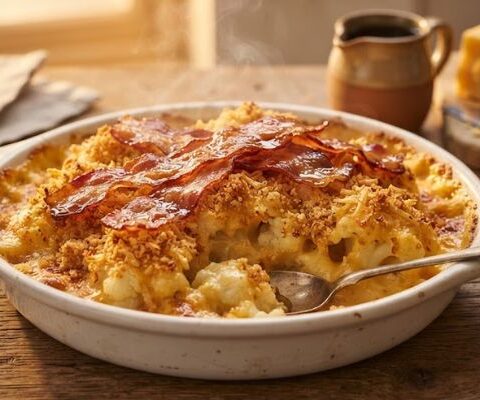
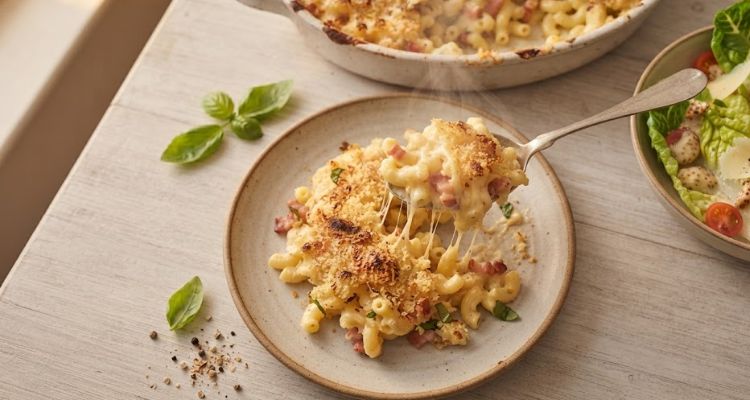
James Martin’s ultimate macaroni cheese builds a béchamel sauce loaded with three cheeses (mild gorgonzola, cheddar and Caerphilly), stirs through crisp pancetta and macaroni, then tops it with mozzarella, breadcrumbs and Parmesan and grills it golden. Served with a sharp mustard-dressed romaine salad, it serves four to six as a substantial meal or a side to roast meat.
The recipe comes from his BBC show Home Comforts at Christmas. What makes his “ultimate” version stand out is that it uses five cheeses rather than relying on cheddar alone, each pulling its weight: gorgonzola for tang, cheddar for backbone, crumbly Caerphilly, stretchy mozzarella and Parmesan for the crust. Crisp pancetta adds a smoky, salty depth.
The technique that decides whether it’s silky or grainy is the sauce. You cook a proper roux, then add the milk gradually, letting it thicken between each addition to a double-cream consistency, before melting the cheeses in gently off the fierce heat. Overheat the cheese and the sauce splits into something oily and grainy.
James Martin Ultimate Macaroni Cheese
Course: DinnerCuisine: BritishDifficulty: Easy4-6
servings20
minutes25
minutes765
kcal45
minutesJames Martin’s five-cheese macaroni cheese from BBC’s Home Comforts at Christmas, with crisp pancetta and a grilled breadcrumb-and-Parmesan crust, served with a mustard romaine salad. A rich standalone supper or a decadent side for roast and slow-cooked meat. Serves four to six.
Ingredients
- For the macaroni cheese:
300g/10½oz dried macaroni
40g/1¾oz butter
40g/1¾oz plain flour
500ml/18fl oz milk
100g/3½oz blue cheese, preferably mild gorgonzola, grated or finely diced
150g/5½oz cheddar, grated
100g/3½oz Caerphilly, grated
½ tsp freshly grated nutmeg, or to taste
90g/3oz pancetta, chopped
100g/3½oz mozzarella, chopped
75g/3oz fresh breadcrumbs
25g/1oz freshly grated Parmesan
large handful fresh basil leaves, roughly chopped, to serve
- For the salad:
1 tbsp wholegrain mustard
1 tbsp white wine vinegar
3 tbsp olive oil
1 head Romaine lettuce, cut into chunks
sea salt and freshly ground black pepper
Directions
- Heat the grill:Preheat the grill to its highest setting.
- Cook the pasta:Cook the macaroni in salted boiling water to packet instructions.
- Make the roux:Meanwhile, melt the butter in a separate pan, whisk in the flour until smooth and cook for 1-2 minutes, until pale golden.
- Build the sauce:Whisk in the milk a little at a time, letting it thicken after each addition before adding more and whisking continually, until you have a smooth sauce the consistency of double cream.
- Melt in the cheese:Add all the blue cheese, 100g of the cheddar and all the Caerphilly, and heat gently, stirring, until melted. Season with salt, pepper and nutmeg.
- Combine:Drain the pasta, tip it into the cheese sauce and stir to coat, then set aside.
- Crisp the pancetta:Dry-fry the pancetta over high heat until golden and crisp, then stir it through the macaroni cheese.
- Top and grill:Transfer to a large ovenproof dish, scatter over the mozzarella, breadcrumbs and Parmesan, and grill for 2-3 minutes until golden and bubbling.
- Dress the salad:Whisk the mustard, vinegar and olive oil together and season, then toss through the Romaine.
- Serve:Serve the macaroni cheese with the salad alongside, sprinkled with the chopped basil.
FAQs
Why five cheeses, and can I change the blend?
Each cheese does a specific job. The mild gorgonzola brings a gentle tang, the cheddar gives the familiar savoury backbone, the Caerphilly adds a fresh, crumbly Welsh note, the mozzarella melts into stretch, and the Parmesan crisps into a savoury crust on top. Together they give far more depth than cheddar alone.
You can absolutely swap cheeses, as long as you keep the balance: a good melter, a sharp cheese and a little something tangy. Do stick to mild gorgonzola rather than a strong, aged blue, since a punchy one would overpower everything else. If blue cheese isn’t for you, leave it out and up the cheddar, though you’ll lose some of the complexity.
How do I get a smooth cheese sauce that isn’t grainy?
It’s all in how you treat the sauce. Cook the flour into the butter for a minute or two first so it doesn’t taste raw, then add the milk gradually, waiting for it to thicken between each addition, which prevents lumps and gives you a smooth base the thickness of double cream before any cheese goes in.
The crucial part is melting the cheese gently, off the fiercest heat and stirring constantly, just until it’s smooth. If you let a cheese sauce boil or overheat once the cheese is in, the proteins tighten and the fat separates out, leaving you with a grainy, oily sauce. Low and slow is the rule at that stage.
Should I grill it or bake it, and can I assemble it ahead?
Martin grills it, which works because the pasta and sauce are already hot when it goes under the grill, so it just needs 2-3 minutes to brown and bubble the topping. That’s the fastest route to a golden crust.
If you want to make it ahead, assemble the whole dish, cool and chill it, then bake it from cold in a hot oven (around 200°C) for 20-25 minutes until piping hot through and golden on top. The sauce thickens as it stands, so loosen it with a good splash of milk before baking, or it can turn stodgy.
Can I make it vegetarian?
Mostly, with two tweaks. Leaving out the pancetta is easy and the dish still works well, since the five cheeses carry plenty of flavour on their own. You could add a little smoked paprika or extra nutmeg to make up for the smoky depth the pancetta brought.
The catch is the cheese itself. Parmesan is made with animal rennet and isn’t vegetarian, and many cheddars and blue cheeses aren’t either, so check the labels and choose vegetarian-marked versions of each, including a vegetarian hard cheese in place of Parmesan for the topping. Do that and it’s a proper vegetarian meal.
Is it a main course or a side dish?
Both, by design. Martin describes it as a substantial standalone meal, and with 300g of pasta and five cheeses it’s certainly rich enough to serve four generously on its own, with the mustard-dressed Romaine cutting through the richness.
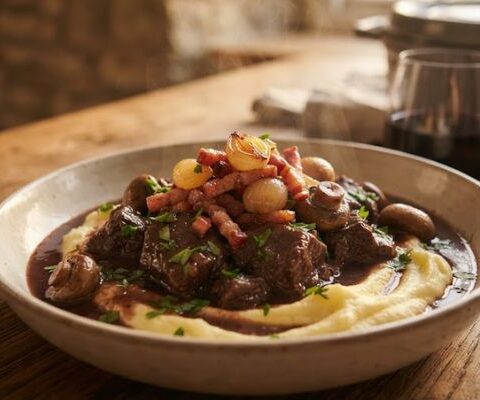
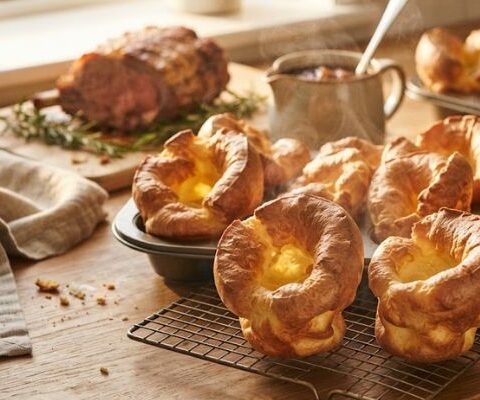
He also suggests serving it alongside slow-cooked or roast meat dishes, where it becomes an indulgent side for six. In that role it’s a natural partner to something like a beef bourguignon or a Sunday roast, so scale your expectations of how far it stretches depending on whether it’s the star or the supporting act.
What if I can’t get Caerphilly or macaroni?
Both are easily swapped. Macaroni is the classic short tubular pasta, but any small ridged or tubular shape that holds sauce works well, such as penne, rigatoni or conchiglie. Avoid long pasta, which the thick sauce won’t cling to properly.
Caerphilly is a fresh, crumbly white Welsh cheese, so the closest British substitutes are Wensleydale or Lancashire, which bring the same gentle, slightly acidic crumble. At a push, a mild crumbly cheese like a young feta works, though it’s saltier, so ease off the added salt if you use it.