Mary Berry’s potato scones are made with plain flour, baking powder, butter and freshly mashed potato, baked at 220°C (200°C fan/Gas 7) for 12 to 15 minutes. The recipe makes about 12 using a 5cm fluted cutter, and Berry says to serve them warm and buttered.
Berry published this in both her Ultimate Cake Book (2003) and Baking Bible (2010) and her headnote is the same in both: these scones are “particularly moist, excellent if you want to keep them a day or two.” That’s a rare thing for Berry to say about a scone, since almost every other recipe in her books comes with the warning to eat them as fresh as possible.
The potato goes in mashed, and Berry is specific about how to work it into the dry ingredients. She says to mix with a fork to prevent the potato from forming lumps, because if you use your hands or a spoon the warmth and pressure turn it into a sticky paste that clogs the crumb.
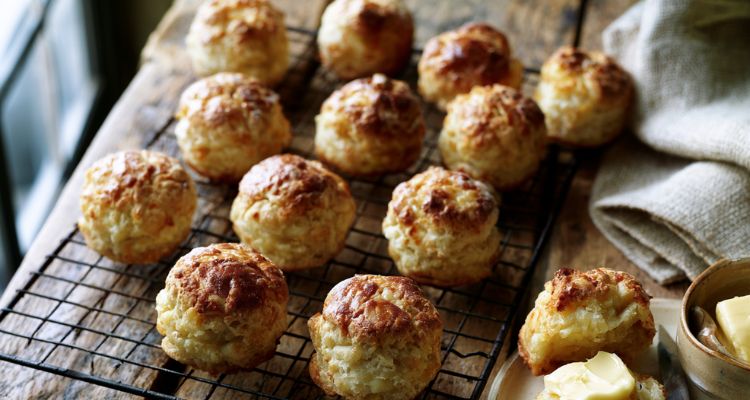
Mary Berry Potato Scones
Course: Sides, SnacksCuisine: BritishDifficulty: Easy12
servings15
minutes12
minutes105
kcal30
minutesThe only scone in Berry’s books that uses plain flour instead of self-raising, and the only one she says works sweet or savoury. For the savoury version, she says to omit the sugar and add half a teaspoon of salt.
Ingredients
175g (6 oz) plain flour
3 level teaspoons baking powder
50g (2 oz) butter
40g (1½ oz) caster sugar
100g (4 oz) fresh mashed potato
About 3 tablespoons milk
Directions
- Preheat: Set the oven to 220°C/200°C fan/Gas 7 (425°F). Lightly grease 2 baking trays.
- Rub in: Measure the flour and baking powder into a large bowl, add the butter and rub in with your fingertips until the mixture resembles fine breadcrumbs.
- Add the potato: Stir in the sugar and the mashed potato, mixing with a fork to prevent the potato from forming lumps. Add enough milk to form a soft but not sticky dough.
- Shape: Turn the mixture out on to a lightly floured work surface and knead very lightly. Roll out to a thickness of about 1cm (½ in) and cut into rounds using a 5cm (2 in) fluted cutter. Use a plain cutter for savoury scones. Transfer to the prepared baking trays.
- Bake: Bake in the pre-heated oven for about 12–15 minutes or until well risen and golden brown. Serve warm and buttered.
Notes
- Calories: 175g plain flour (637) + 50g butter (359) + 40g sugar (155) + 100g mashed potato (77) + 3 tbsp milk (27) = 1,255 ÷ 12 = 105 kcal per scone
FAQs
Why does Berry use plain flour instead of self-raising for potato scones?
Berry uses self-raising flour for almost every other scone in her books, so this recipe stands out. She pairs 175g of plain flour with 3 level teaspoons of baking powder, which is a higher ratio than her standard conversion of “2 to 3 teaspoons per 200g.” That extra baking powder compensates for the weight and moisture the potato adds to the dough.
Plain flour also gives her more control over the rise. Self-raising flour has a fixed amount of raising agent already mixed in, so adding extra baking powder on top of that could make the scones over-rise and collapse. Berry warns elsewhere in the Ultimate Cake Book not to “add more baking powder than the recipe specifies or the mixture will rise well at first but will then collapse.”
Can I make these as savoury scones?
Berry builds the option right into the recipe. She writes: “For savoury potato scones, omit the sugar and add half a teaspoon of salt to the flour.” Everything else stays the same, including the quantities and bake time. She also notes to use a plain cutter instead of fluted for the savoury version, which is a rule she follows across all her scone recipes.
I’ve made the savoury version with soup and it’s excellent. The potato makes them filling enough to replace bread rolls at a lunch, which Berry hints at in her scone chapter introduction when she writes that “a big plain scone can serve as a bread.” A little grated Cheddar stirred in with the potato works well too, though Berry doesn’t suggest it for this particular recipe.
How should I prepare the mashed potato for this recipe?
Berry’s 2003 version says “freshly boiled mashed potato” and her 2010 update says “fresh mashed potato.” Either way, the potato should be plain, smooth and warm rather than cold from the fridge. Boil a medium potato, drain it well and mash it without adding butter, milk or seasoning — those go into the scone dough separately and extra fat or liquid would throw off the balance.
Drain the potato thoroughly because any residual water makes the dough sticky. I press the boiled potato through a ricer if I have one, since it gives the smoothest result and there’s less chance of lumps surviving into the dough. Berry’s fork-mixing instruction only works if the potato is already fairly smooth before it goes in.
Why do potato scones keep longer than Berry’s other scones?
Every other scone recipe in Berry’s books says to eat them as fresh as possible or on the day of baking. These are the exception because the mashed potato holds moisture inside the crumb. The starch in the potato acts like a sponge, trapping water that would normally evaporate and turn a plain scone dry and crumbly within hours.
That’s why Berry confidently says they’re “excellent if you want to keep them a day or two.” I’ve tested this and they’re genuinely good the next day, especially if you store them in an airtight container and warm them through in a low oven for 5 minutes before serving. By day three they start to lose that softness, so two days is the honest limit.
What’s the difference between these and Berry’s plain scones?
Her plain Scones from the same book use 225g of self-raising flour, less baking powder (2 teaspoons vs 3), more sugar (though still only 25g), and an egg mixed with milk as the liquid. They’re lighter and taller, more of a classic cream tea scone. The potato version is denser, moister and more filling because 100g of mashed potato replaces the egg and most of the liquid.
The biggest practical difference is shelf life. The plain scones go stale within hours, which is why Berry says to eat them as fresh as possible or freeze them immediately. The potato scones give you two days of good eating at room temperature, which makes them more useful for planning ahead.
Can I use leftover mashed potato from last night’s dinner?
It depends on what’s in it. If the leftover mash is plain, just potato with nothing added, it’ll work fine. Warm it slightly in the microwave first so it incorporates smoothly when you fork it into the dry ingredients. Cold mashed potato straight from the fridge is stiffer and harder to blend without overworking the dough.
If the mash has butter, cream or seasoning already mixed in, the results get unpredictable. Extra butter makes the dough greasy, cream adds liquid you haven’t accounted for, and garlic or herbs will flavour the scone in ways Berry didn’t intend. I’d only use leftovers for the savoury version where a bit of seasoning won’t clash, and even then I’d reduce the butter in the recipe by half to compensate.